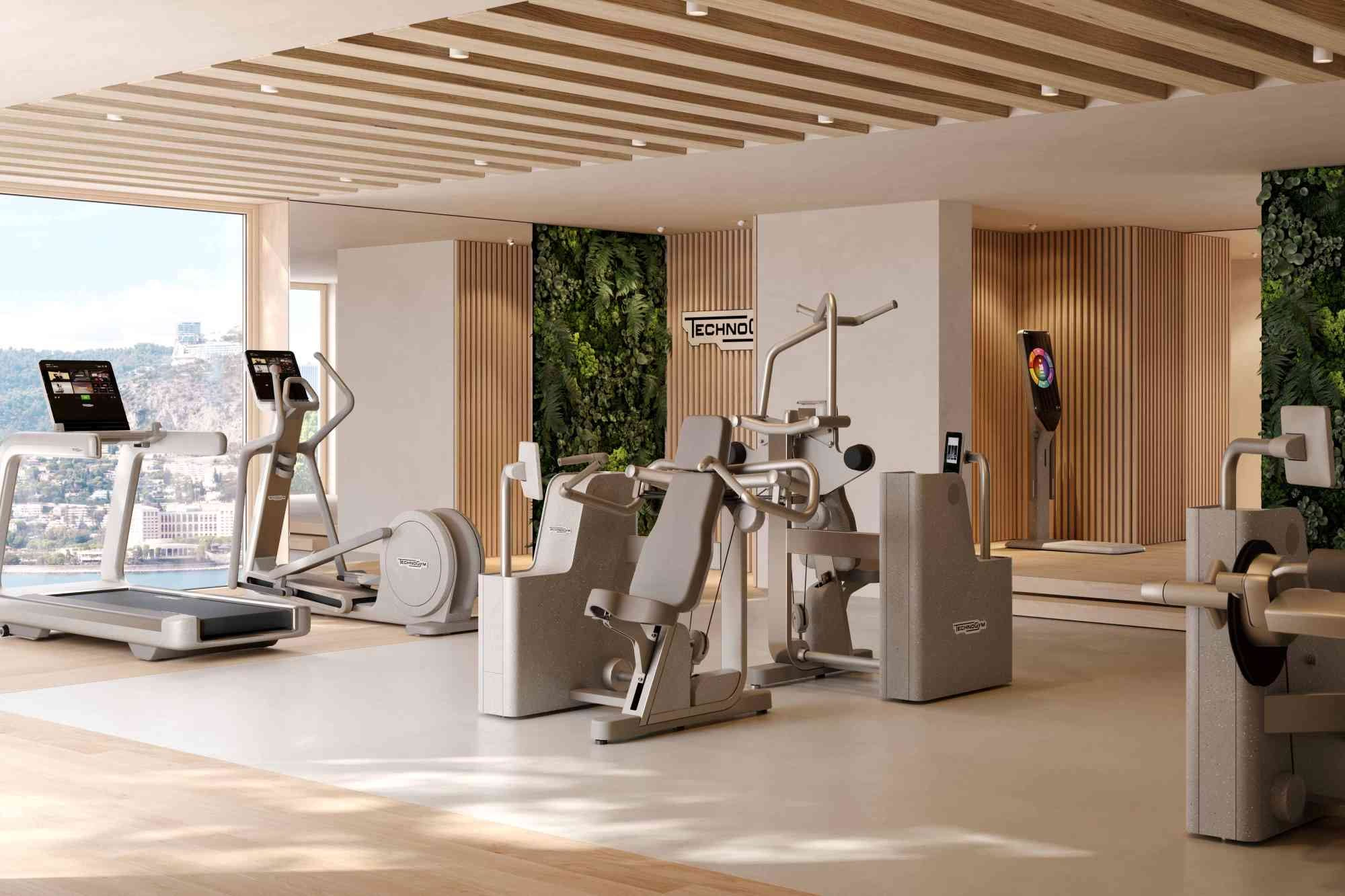
The fitness industry is rapidly moving toward AI powered fitness assessments and personalized training programs, as gyms and health technology companies look to deliver more precise and measurable results for users.
For years, most workout routines have relied on generic plans based on age groups or fitness levels. But sports scientists and trainers increasingly argue that effective training requires individualized data, including strength, mobility, body composition and recovery capacity.
This shift is driving the rise of AI driven fitness technology, where smart systems analyze a user’s physical parameters and recommend tailored training programs designed specifically for their body and goals.
Why Personalized Training Is Becoming the Future of Fitness
Research in sports science consistently shows that regular physical exercise and healthy lifestyle habits play a key role in longevity and long term health. However, experts emphasize that exercise works best when it is adapted to the individual.
A training program that is ideal for one person may be inefficient or even harmful for another depending on factors such as muscle strength, joint mobility, balance and metabolic health.
This is where fitness assessments powered by artificial intelligence are transforming the industry. By analyzing multiple physical and cognitive indicators, AI systems can recommend more accurate workout routines and continuously adjust them as a user progresses.
The result is what many trainers now call precision fitness training.
The Rise of Data Driven Fitness Assessments
Modern fitness technology platforms are beginning to use connected equipment and digital analytics to capture a wide range of performance metrics. These may include
• Body composition
• Strength and muscle performance
• Balance and stability
• Joint mobility and flexibility
• Cognitive responsiveness during movement
These data points are processed through AI algorithms to generate customized workout plans designed to improve both performance and overall health.
One emerging concept gaining popularity in this space is “Wellness Age”, a metric that estimates a person’s functional fitness level based on their physical condition rather than their chronological age.
For many users, this can be a powerful motivator. If someone’s Wellness Age is higher than their actual age, targeted training can help bring it down over time, indicating improvements in strength, mobility and endurance.
How AI Fitness Technology Is Being Used in Gyms
Many fitness companies are now introducing smart fitness assessment stations and AI coaching systems that help trainers and gyms deliver more personalized experiences.
One example is Technogym Checkup, an AI based assessment station designed to evaluate physical and cognitive fitness parameters before recommending a targeted training protocol. Technogym Checkup_
After logging into the Technogym App, the system measures key indicators including body composition, strength, balance, mobility and cognitive abilities through a series of tests. The data is then processed through Technogym’s AI Coach platform to create a personalized training program tailored to the user’s goals and current fitness level. Technogym Checkup_
The system also calculates a user’s Wellness Age, offering a benchmark that reflects their functional physical condition and allowing them to track improvements over time through targeted training and healthier lifestyle habits. Technogym Checkup_
Because the technology is integrated with a broader digital ecosystem, users can access their customized training program across multiple environments including gyms, homes, workplaces or hotels. The program evolves automatically as new performance data is collected, ensuring that workouts remain aligned with the user’s progress and goals. Technogym Checkup_
What This Means for the Future of Smart Fitness
For fitness operators, AI powered assessments can improve both member engagement and retention. When new members receive a personalized training plan based on measurable data, it often creates a stronger connection with their fitness journey.
It also enables trainers to monitor progress more accurately and adjust programs in real time, making the gym experience more structured and results focused.
Industry experts believe that AI driven fitness ecosystems, connected equipment and data analytics will play a central role in the next phase of the global wellness industry.
As consumers increasingly demand smarter workouts, measurable progress and personalized health insights, technologies that combine fitness science with artificial intelligence may soon become a standard feature in modern gyms.


