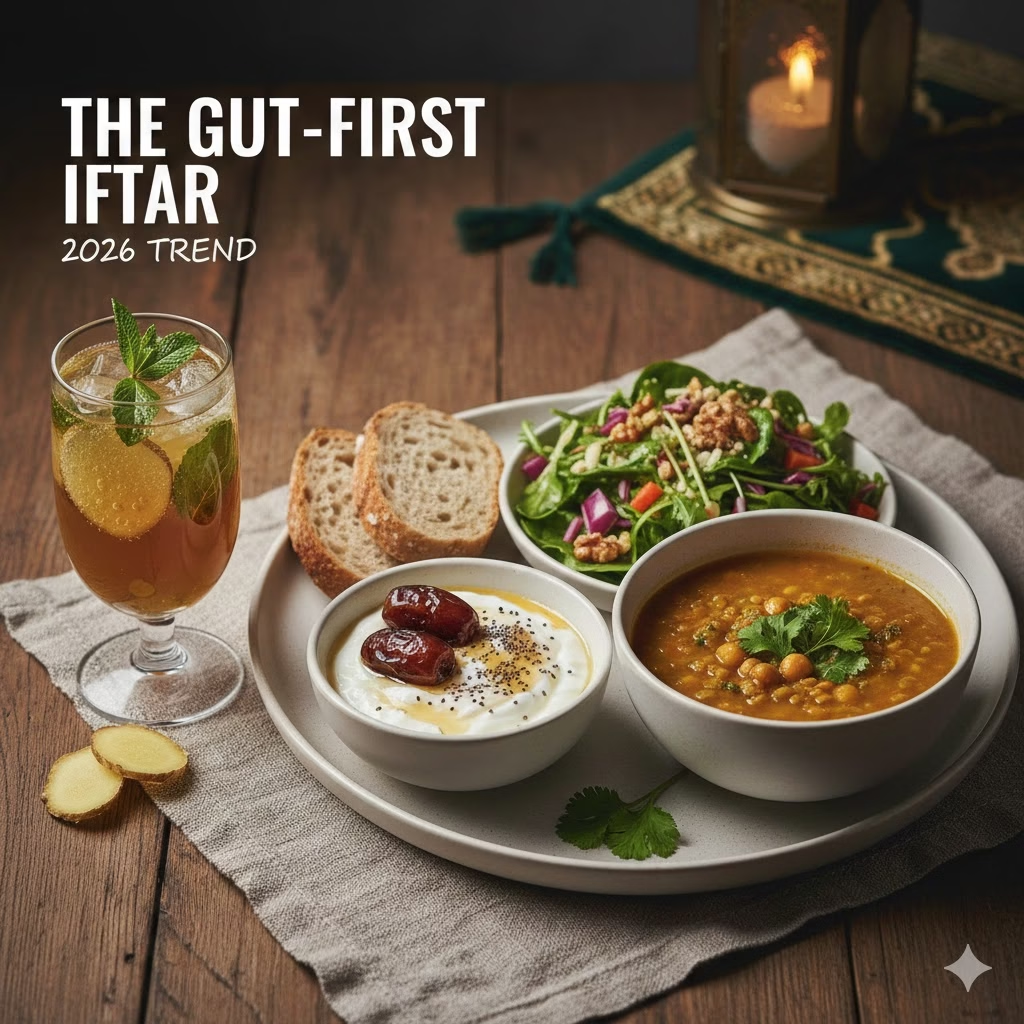
The heavy, oily Iftar that leaves you face-down on the sofa by 8:00 PM is officially “out” for 2026. This year, the focus has shifted toward what many are calling “Functional Iftars”—meals designed to fuel the body rather than just fill the stomach. If you’ve been following the latest wellness shifts, you know that “fibermaxxing” and gut-health optimization are the two biggest trends dominating the conversation this Ramzan.
It makes sense. After 14 hours of fasting, your digestive system is essentially hitting a “restart” button. How you choose to break that fast determines whether you’ll have the energy for Taraweeh or a late-night workout, or if you’ll spend the evening dealing with bloating and a massive sugar crash.
The Rise of Fiber and Probiotics in 2026
In 2026, we’ve moved past the obsession with just protein and calories. We are finally talking about the gut-brain axis and how our microbiome dictates our mood, energy and even our hunger levels the following day. When you look at what to eat during Ramzan for better gut health, two things stand at the top of the list: fiber and probiotics.
Fiber acts as the “anchor” for your energy. Soluble fiber, found in staples like dates, lentils and oats, creates a gel-like substance in the gut. This slows down the absorption of sugar, which is critical when you break your fast. Without that fiber, your insulin levels spike and then plummet, leaving you feeling more exhausted than when you were fasting.
On the flip side, probiotics are the “primers.” Think of them as the support crew that prepares your stomach for the main meal. In 2026, we are seeing a massive trend toward including fermented foods like Laban, Kefir or even a small side of Kimchi at the Iftar table. These “live” foods help break down the heavier proteins and fats that usually follow, preventing the mid-evening “Iftar coma.”
How to Build a 2026 “Fiber-First” Iftar
If you want to stay sharp and maintain your fitness goals this month, the sequence of your meal matters just as much as the ingredients. Following a “fiber-first” model ensures you stay satiated longer and keep your metabolic health in check.
- The Prime: Start with water and a probiotic-rich drink. A simple glass of Laban or a probiotic yogurt bowl primes the gut environment.
- The Buffer: Move to a high-fiber starter. Instead of fried appetizers, go for a lentil soup or a salad with chickpeas and leafy greens. This creates a “fiber house” in your stomach that manages how the rest of your meal is processed.
- The Main: Incorporate complex carbohydrates like brown rice, millets or whole-wheat sourdough alongside your lean protein. These provide a steady release of glucose that keeps your brain fueled well into the night.
Why This Matters for Your Fitness
For the runners and gym-goers among us, gut health is the secret to recovery. If your gut is inflamed from processed sugars and heavy oils, your body spends its energy on digestion rather than muscle repair. By focusing on fiber and probiotics, you improve your nutrient absorption. This means the protein you eat actually goes toward maintaining your muscle mass and helping you bounce back for your next training session.
Ultimately, Ramzan in 2026 is about metabolic flexibility. It’s about teaching your body to transition smoothly between fasting and feasting. When you prioritize your gut, you aren’t just surviving the fast; you’re optimizing your entire system.


