When you’re starting a fitness journey or training for your first 5K, the tech talk can get expensive fast. You see people at the start line with watches that cost more than a month’s rent and you start to wonder if you need all that data just to go for a run. For many of us, the choice usually boils down to a simple question: Do I want a dedicated fitness tracker or a full-blown smartwatch?
The truth is that most of us are looking for a middle ground. We want something that tracks our heart rate and steps accurately but also looks good enough to wear to the office or a dinner date. This is where the debate between a “band” and a “watch” gets interesting, especially with the rise of hybrid devices.
The Blur Between Fitness and Lifestyle
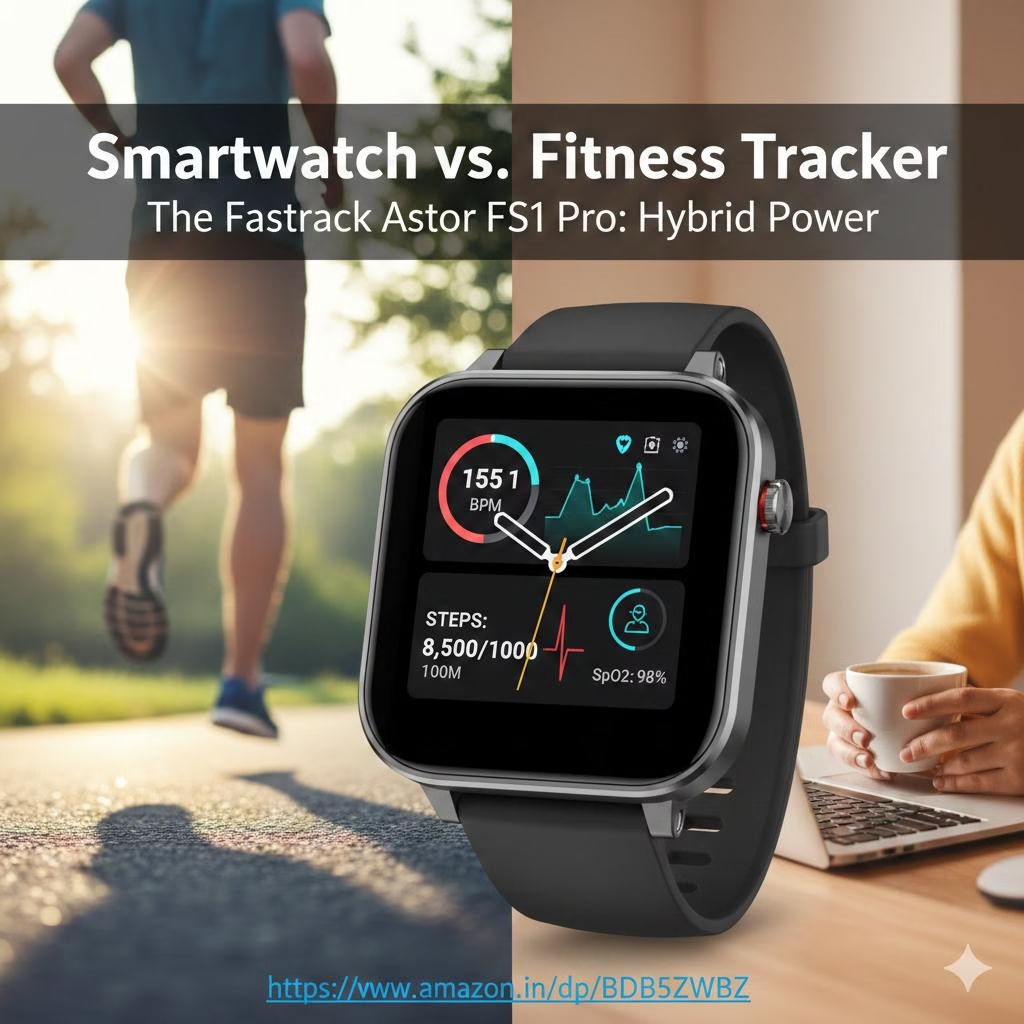
Historically, you had to choose your side. You either got a slim, basic fitness band with a tiny screen or a bulky, expensive smartwatch that barely lasted a day on a single charge. But devices like the Fastrack Astor FS1 Pro are bridging that gap. It sits right in that hybrid sweet spot where style meets utility.
With its massive 1.97-inch Super AMOLED display, it feels like a premium smartwatch the moment you put it on. The 60Hz refresh rate means no lag when you are swiping through your stats mid-run. This is a huge plus when you are tired, sweaty and just want to check your heart rate without fighting with a glitchy interface.
Breaking Down the Hybrid Appeal
So, what makes a hybrid different? A pure fitness tracker is usually about data—it’s a tool. A smartwatch is about connectivity—it’s an extension of your phone. The Astor FS1 Pro tries to do both by offering over 100 sports modes alongside functional features like BT calling.
For someone who is balancing a professional life with a passion for staying active, this is a game changer. You can track your morning run, check your SpO2 levels during a stressful afternoon and then use the same device to take a quick call while you are heading to the gym. You get the “smart” features that make life easier without losing the “fitness” focus that keeps you on track with your goals.
Why the Astor FS1 Pro Works for Runners
While it is marketed as a lifestyle smartwatch, its fitness credentials should not be overlooked for the casual or intermediate runner. Here is why it stands out in the budget category:
- The Display: That AMOLED screen is bright enough to read even in direct sunlight. This is essential for those morning outdoor runs in India where glare can make cheaper screens impossible to see.
- Health Suite: You get 24/7 heart rate monitoring, SpO2 tracking and even stress monitoring. For a runner, seeing how your resting heart rate improves over weeks of training is one of the best ways to measure progress.
- Comprehensive Tracking: Whether you are on a recovery walk or a high-intensity interval session, it has a dedicated mode for it. This helps in categorizing your efforts and seeing how different workouts affect your body.
The Verdict: Is it Right for You?
If you are a professional athlete who needs precise GPS maps, trail navigation and vertical oscillation data, you are likely still looking at high-end Garmin territory. But if you are a regular person trying to stay active and you want a device that manages your calls, looks sharp and tracks your progress without breaking the bank, this hybrid approach is hard to beat.
It offers the aesthetics of a high-end watch with the soul of a fitness tracker. At its current price point, it is a solid entry into the world of wearable tech for anyone who wants the best of both worlds.
Disclaimer: As an Amazon Associate, I earn from qualifying purchases. This means if you click on the link and buy the product, I may receive a small commission at no extra cost to you. This helps me keep the blog running and provide honest reviews for the running community.


