Bangalore Ultra 2026: What to Expect, Course Preview & Real Talk Training Tips

Bangalore Ultra 2026: India’s Oldest Ultra, Now in the Monsoon | FatMarathoner.com
🏃 RACE DAY: SUNDAY 26 JULY 2026  |  REGISTRATION CLOSES 17 JULY  |  GKVK CAMPUS, BANGALORE

Race Preview & Complete Guide

Bangalore Ultra 2026

India’s oldest ultramarathon. Mud, hills, humidity and 5,000+ runners who are all slightly mad. Here’s everything you need to know before you toe the line.

5K to 50K Trail + Road Peak Monsoon NEB Sports
📅 26 July 2026 📍 GKVK Campus, Yelahanka, Bangalore ⏱️ Timed Chip Event 🎽 T-shirt + Medal + Certificate

Why This Race Matters

If you’ve been dabbling with the idea of your first ultra, or want to finally prove something to yourself on a real trail, Bangalore Ultra is the race Indians have been using as a milestone for over a decade.

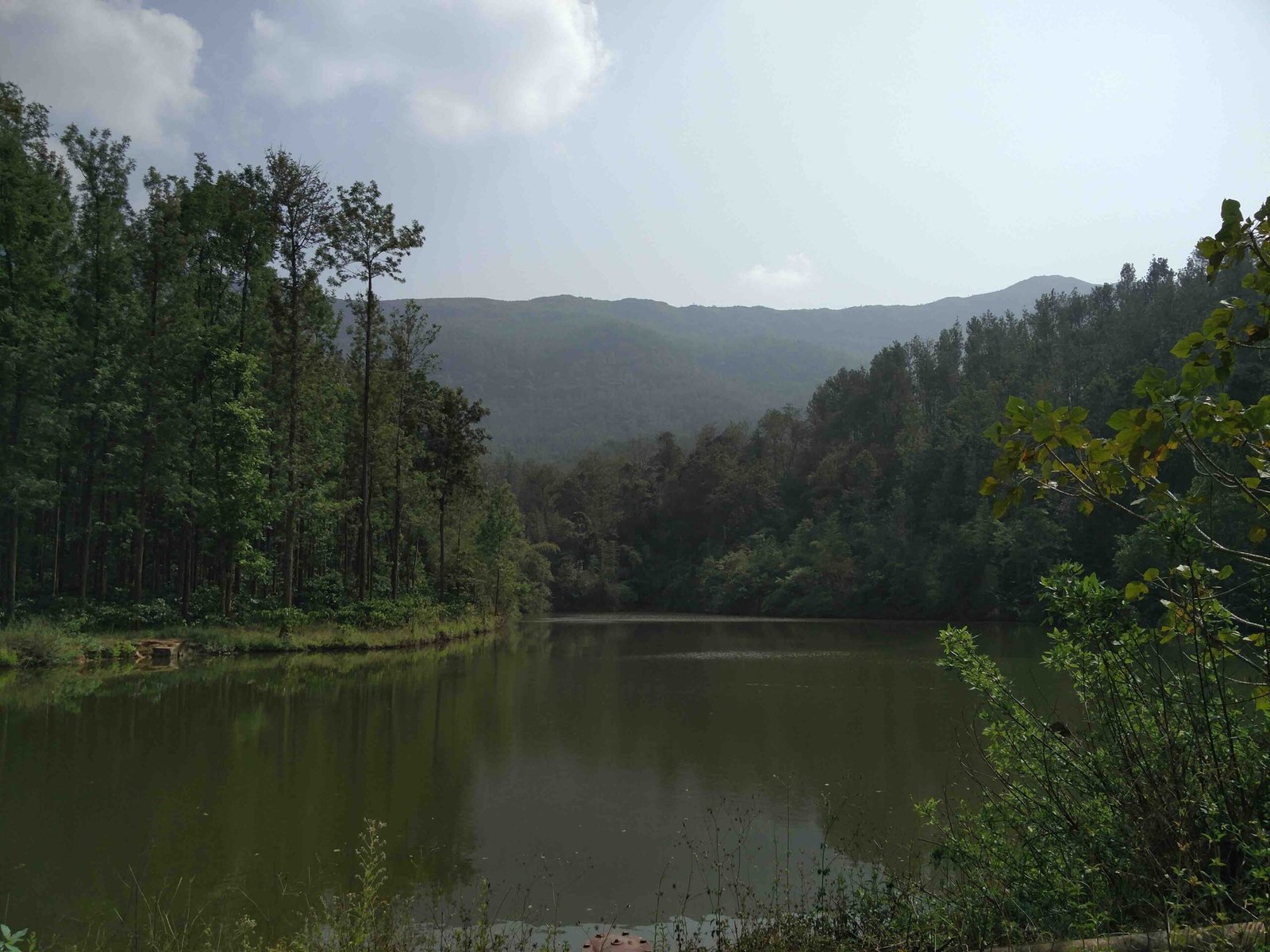
Let’s be straight about what Bangalore Ultra is: it is not a gentle jog through a city park. The GKVK (Gandhi Krishi Vigyana Kendra) campus in Yelahanka is green, hilly in a rolling sort of way and beautiful. In December, it’s glorious. In late July, it is a full-on monsoon experience. Think slick paths, mud patches, thick humid air, and the smell of wet earth everywhere. And somehow, that makes it more addictive.

This edition lands on Sunday, 26 July 2026 and covers five distances: a casual 5K fun run all the way up to the 50K ultra. That spread is genuinely one of the best things about this event. You can bring a friend who’s never run a race, run 5K with them in the morning and then come back and find them cheering for you at the finish of your 25K. That’s a community race.

“India’s oldest ultramarathon doesn’t need to prove itself anymore. It just shows up, in the rain, and lets the route do the talking.”

Organized by NEB Sports, the team that runs some of India’s most reliable running events, Bangalore Ultra has a reputation for solid logistics, well-stocked aid stations and a finish-line atmosphere that gives you the genuine feeling you’ve accomplished something. Whether you’re a nervous first-timer or a seasoned 50K runner hunting a PB, this guide covers everything.

Quick Facts

Race At A Glance

📅

Date

Sunday, 26 July 2026

📍

Venue

GKVK Campus, Yelahanka, Bengaluru

🏃

Distances

5K / 12.5K / 25K / 37.5K / 50K

🌿

Terrain

Rolling trail + campus roads

🌧️

Weather

Monsoon, humid, 24-28°C

🎟️

Organizer

NEB Sports Pvt Ltd

🎽

Race Kit

T-shirt, medal, certificate, chip timing

🚫

On-Spot Reg

Not available

📦

BIB Expo

Day before race. Don’t skip it.

Distances & Cut-offs

Pick Your Distance

Five distances. One registration deadline: 17 July 2026. After that, it’s gone.

DistanceTypeCut-off TimeOffer Fee (+ GST)Min Age
5KFun Run1 hr₹ 7506+
12.5KTimed1 hr 30 mins₹ 1,60018+
25KTimed3 hrs 30 mins₹ 2,85018+
37.5KTimed5 hrs 30 mins₹ 2,95018+
50KTimed Ultra7 hrs₹ 3,10018+

All prices are offer/early-bird rates. Final prices are slightly higher. Add 18% GST to all amounts. Verify fees on bangaloreultra.com before registering.

Course Preview

What The Route Is Actually Like

The GKVK campus is home to the University of Agricultural Sciences in Yelahanka, and it’s a genuinely beautiful place to run. We’re talking 412 acres of botanical gardens, mango orchards, agricultural fields, denser forest-like patches and tree-lined internal roads. The campus is divided into agricultural zones, which means the terrain shifts as you move through it.

For the shorter distances (5K and 12.5K) the route is largely on the campus’s internal roads, which are tarmac with some gravel sections. Clean underfoot, manageable gradient. For the 25K and above, the course gets more interesting: rolling elevation changes, some dirt trail sections and the kind of gentle-but-relentless hills that make your calves burn at kilometer 18 even when they felt fine at kilometer 10.

The 50K course is a multi-loop format, which is both the strength and the mental challenge of this race. You will pass the finish area multiple times before you are allowed to stop. That takes a particular kind of headspace. The upside: you always know roughly where you are, aid stations are frequent and the familiarity of the loops can help you set better pacing targets.

~108 ft

Elevation gain per loop

Rolling, not technical. But those rollers add up over 50K.

412

Acres of green campus

Botanical garden, mango grove, open fields. Actually lovely.

Mix

Road + dirt trail surface

Tarmac roads with trail sections. Expect mud in July.

Rocks and potholes are real on the dirt sections, especially after rain. This is not something to navigate with road racing flats. The runners around you will actually call out hazards for each other, which is one of those things that makes this event feel like a community rather than a competition.

Weather Reality

The Monsoon. Let’s Talk About It Honestly.

🌧️

Monsoon Running Conditions in Bangalore, Late July

Expect temperatures between 24-28°C but humidity in the 80-90% range. That combination makes you feel hotter than the thermometer says. Rain during the race is likely. After rain, trail sections will have standing water and mud. Visibility can drop. Plan accordingly.

The good news: Bangalore sits at around 3,000 feet, which takes the edge off the heat compared to Mumbai or Chennai in July. The campus canopy provides shade. It’s tough, but manageable if you’re prepared.

Here’s the thing about running a monsoon ultra: your regular race-day expectations need a complete reset. Pace targets you set in dry-season training are meaningless here. Your HR will be elevated just from the humidity. Your shoes will get wet within the first 5 kilometres. Your socks will be soaked. Accept all of that before you start.

Specific Monsoon Risks to Know

⚠️ Hyponatremia Risk

In humid conditions you sweat more but you don’t always feel as thirsty. Many runners over-hydrate with plain water and dilute their sodium. Take electrolytes consistently, not just when you feel bad.

⚠️ Blisters from Wet Feet

Wet socks cause friction 10x faster. Double-layer or wool socks help. Anti-chafe on heels and toes before you start is non-negotiable. Bring a spare pair in a ziplock for longer distances.

⚠️ Slippery Trail Sections

Red clay soil after rain is genuinely slippery. Slow down on corners and descents. Ankle rolls are the most common monsoon ultra injury. Take corners wide.

⚠️ Chafing Goes Up 3x

Wet kit + long distance = raw skin in places you don’t want to think about. Vaseline or body glide on thighs, underarms and any seam that touches skin. No cotton. Repeat after us: no cotton.

Prep Guide

How to Prepare If You’re Not a Speedster

This section is for runners who are heavier, newer or both. The tips are real.

🦵

Build Leg Strength, Not Just Mileage

The rolling terrain at GKVK will punish under-trained legs by kilometer 8. Squats, single-leg deadlifts and calf raises twice a week matter as much as your long run. For heavier runners especially, strong glutes and quads reduce impact on knees significantly on downhills.

⏱️

Train Slower to Race Smarter

80% of your training runs should be at a conversational pace. You should be able to speak full sentences. If you can’t, you’re going too fast. This is especially true in the weeks before the race when you want to stay healthy, not prove anything. Ego km in training = injury km on race day.

🧂

Electrolytes are Your Salary, Not a Bonus

In a monsoon race, sodium and potassium loss can wreck you even before you’re out of energy. Practice with electrolyte tabs, coconut water or salted snacks in your long runs. Don’t try anything new on race day. Electrolight, Fast & Up Reload or even simple nimbu-pani with a pinch of salt work fine.

🧠

The Mental Game at Kilometre 18

Every first-time 25K+ runner hits a wall somewhere around 18-20 kilometres. It feels personal. It isn’t. Break the race into thirds in your head before you start: get to the first third, then the second, then deal with whatever is left. Don’t think about the finish. Think about the next aid station.

🚶

Walk-Run Is a Strategy, Not a Surrender

Using a run-walk-run method (like 6 min running, 1 min walking) is actually a scientifically supported way to finish faster and with less muscle damage. Many runners who don’t use it get overtaken in the last 10K by people who did. This is not a fun fact. It’s experience talking.

Gear Guide

What to Wear and Carry

The July edition demands slightly different kit compared to a December race. Here’s what actually matters.

👟 Shoes

This is the one area to spend properly. You need grip on wet mud and enough cushion to handle the mileage on hard campus roads.

5K / 12.5K

Any decent running shoe with grip works. Avoid thin-soled race flats.

25K

Trail-hybrid or cushioned trail shoe. Brooks Cascadia, Saucony Peregrine or local option like Red Tape Sport trail work well at this budget.

37.5K / 50K

Dedicated trail shoe with lugs. Hoka Speedgoat, Salomon Sense Ride or Altra Lone Peak. Rock plate optional but helpful on the dirt sections.

🎒 Carry List by Distance

Anti-chafe (Vaseline / Body Glide) – every distance
Double-layer or wool running socks – all distances
Electrolyte tabs or sachets – 12.5K and above
Handheld 500ml bottle – 25K and above
Hydration vest 1.5-2L – 37.5K and 50K
Gels or real food (bananas, dates) – 25K and above
Waterproof phone pouch – all distances
Spare dry socks in ziplock – 37.5K and 50K
Headlamp (50K only, if cut-off runs late)
Light rain jacket (packable) – optional but smart

👕 Clothing

Monsoon conditions mean your clothes will be wet. Choose accordingly.

  • No cotton. Ever. Cotton holds water and causes chafing that’ll have you limping at 15K.
  • ✓ Polyester or nylon dry-fit fabric only
  • ✓ Compression shorts or half-tights reduce thigh chafe on humid days
  • ✓ Lightweight cap keeps rain out of eyes
  • ✓ Body Glide or Vaseline under any elastic waistband

⌚ Smartwatch / Tracker

You don’t need an expensive GPS watch to run Bangalore Ultra, but having some form of tracking helps enormously with pacing.

  • ✓ Any GPS watch that shows current pace, distance and heart rate
  • ✓ For 50K, make sure battery life covers 7+ hrs
  • ✓ Garmin Forerunner 55, Amazfit GTR 3 or Apple Watch Ultra all work
  • ✓ Even a basic Xiaomi Mi Watch works for 12.5K and 25K
  • Race has chip timing so your official finish time is covered regardless.
Race Day

What to Actually Expect on the Day

A few practical things that separate someone who’s done their homework from someone who hasn’t.

BIB Expo (Day Before)

There is no BIB collection on race day. None. The BIB expo happens one day before the event at a designated venue (check the official site and social channels for the exact location closer to the date). If you miss it, you cannot run. If someone is collecting for you, they need a consent letter from you. This is not a suggestion. Plan your travel to Bangalore accordingly if you’re coming from another city.

Start Times and Wave Starts

NEB Sports typically staggers start times by distance, with the 50K and 37.5K going off earliest (often as early as 4:30-5:00 AM). Check the official race communication for your confirmed wave time. Early starts in monsoon conditions means running in the dark initially, so if you’re doing 37.5K or 50K, a headlamp is worth carrying for the first hour.

Aid Stations

Aid stations are positioned across the course with water, electrolytes and snacks (bananas, glucose biscuits typically). For distances up to 25K you can rely on them almost entirely. For 37.5K and 50K, supplement with your own gels or real food carried in a vest. Don’t arrive at an aid station desperate, arrive early and refuel before you feel you need to.

Cut-off Times and What Happens If You Miss

Cut-offs are enforced strictly, and they should be. The course needs to reopen, other participants are ahead of schedule and the volunteers need to pack up. If you’re pulled at a cut-off, you are asked to withdraw. No drama, just logistics. Know your cut-offs going in (see the table above) and plan your pace to reach them with at least 20 minutes buffer. That buffer is for unexpected terrain slowdowns, a blister stop or a bad monsoon patch.

The Community Vibe

This is genuinely one of the best things about Bangalore Ultra. You have 5,000+ runners across all distances. The shorter-distance runners are finishing while 50K runners are still mid-race, which means there are people and energy on the course for hours. Other runners will shout out rocks and potholes on trail sections. The finish line is always loud. This is what makes an Indian running event feel like a family gathering that happens to involve a lot of suffering.

Registration

How to Register

⚡ Registration closes 17 July 2026. No on-spot entries.

The official registration platform is bangaloreultra.com via the MySamay partner link. Always register through the official channel to avoid fraud.

🌐 Official site: bangaloreultra.com

📱 App partner: MySamay

📞 Contact: +91 9206265087 / +91 8150944084 (Mon-Fri, 10AM-5PM)

📧 Email: ultramarathonbengaluru@nebsports.in

Important Registration Policies

  • ➡️ Registrations are not transferable between people.
  • ➡️ You can transfer to a different race in the NEB Sports calendar within the same season if you send a mail confirmation 45 days before the event. Transfer fee applies.
  • ➡️ No refunds in any case. A processing charge of ₹250 applies for cancellations.
  • ➡️ Distance changes are not accepted within 60 days of the event.
  • ➡️ Changes to registration are only possible up to 60 days before the event and only while registration is open.

Policies are as listed on the official website at time of publishing. Always verify current terms at bangaloreultra.com.

FatMarathoner Verdict

Should You Run It?

If you’re a first-timer

Sign up for the 5K or 12.5K. Experience the event, the energy, the aid stations and the finish-line feeling. Come back for the 25K next time with the blueprint in your head. It’s that kind of race.

If you’ve done a half marathon

The 25K is your calling. You’ll be stretched, surprised and deeply satisfied at the finish. It’s a real challenge without requiring the kind of training block the 50K demands.

If you’re an experienced runner

37.5K or 50K. This is India’s oldest ultra for a reason. The conditions are honest, the course is challenging and the community is electric. The monsoon edition is harder than December. That’s a feature, not a bug.

“Bangalore Ultra doesn’t care if you’re fast. It cares that you show up, respect the distance and run your own race. That’s why it’s lasted this long.”

Leave a Comment